
Steady support for blood sugar after meals
Blood Sugar Health Banaba & Ginkgo Complex pairs Banaba leaf extract, standardised for Corosolic acid, with Ginkgo Biloba, zinc, selenium and vitamin B6. One tablet a day, made in Korea, built around a single approved function claim: it may help inhibit the rise in blood glucose after meals.
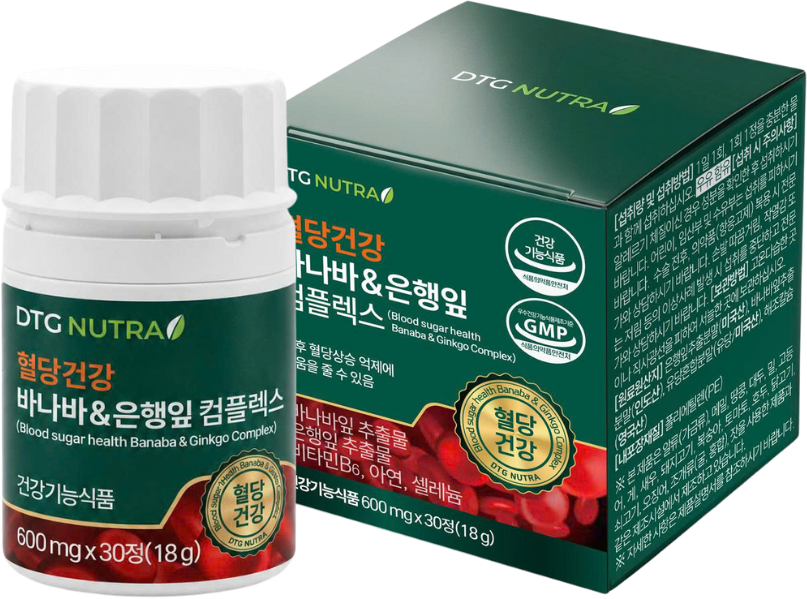
What this formula is designed to support
Six areas of everyday support, built around one officially approved function claim and evidence stated exactly as it stands.

Blood sugar after meals
Banaba leaf extract, standardised to 1.3 mg of Corosolic acid per tablet, may help inhibit the rise in blood glucose after meals. This is the product's one officially approved function claim.

Microcirculation
The flavonoids in Ginkgo Biloba, such as quercetin and kaempferol, help support the regulation of platelet aggregation and the protection of the smallest blood vessels.

Antioxidant defence
Ginkgo Biloba supports the Nrf2/HO-1 antioxidant pathway and the clearing of free radicals, helping to limit the cell damage associated with high blood glucose.

Broader metabolic balance
Beyond glucose, Corosolic acid has also been reported to support healthier cholesterol and triglyceride levels by increasing PPAR-alpha expression and fatty-acid beta-oxidation.

Essential micronutrients
Zinc contributes to the synthesis, storage and secretion of insulin by the pancreatic beta cells, while selenium and vitamin B6 support antioxidant defence and energy metabolism.

Looking after the long term
Ginkgo Biloba supports circulation and antioxidant defence — the direction research associates with long-term complication risk. It does not lower blood glucose directly.
Corosolic acid: three actions in one
Banaba does not work through a single route, but through three that meet at the same point.
Opening the door of the cell
Corosolic acid supports GLUT4 transport, helping move glucose out of the bloodstream and into muscle and other cells, which contributes to better insulin sensitivity.
Slowing how fast sugar enters the blood
It helps inhibit alpha-glucosidase and alpha-amylase (sucrase), slowing the breakdown of starch in the gut. The result is a gentler peak in blood glucose after a meal.
Easing the sugar the body makes
It helps reduce gluconeogenesis, the production of new glucose in the liver, while supporting glycolysis, the breakdown of glucose for energy.
Because these three actions work at the same time, the support covers where glucose comes from, how quickly it arrives and how well it is taken up.
Four tiers in a single 600 mg tablet
Each tier has a defined job, and none of them is asked to do more than the evidence allows.
Banaba leaf extract (Lagerstroemia speciosa L.)
The core active of the formula, acting on glucose metabolism. It may help inhibit the rise in blood glucose after meals.
Ginkgo Biloba leaf extract
Provides antioxidant action and helps protect the microcirculation — the direction associated with long-term complication risk. It does not lower blood glucose directly.
Zinc · Selenium · Vitamin B6
Three nutrients that underpin insulin handling, antioxidant enzyme activity and energy metabolism, filling gaps a plant extract alone cannot cover.
Red ginseng, bitter melon, grape seed, gotu kola, Jerusalem artichoke, oat
Six familiar botanicals that give the formula its character and heritage. They are included in a supporting role only, and no clinical efficacy is claimed for them.
What is inside each 600 mg tablet
Five quantified actives and six supporting botanicals, listed with their exact amounts.
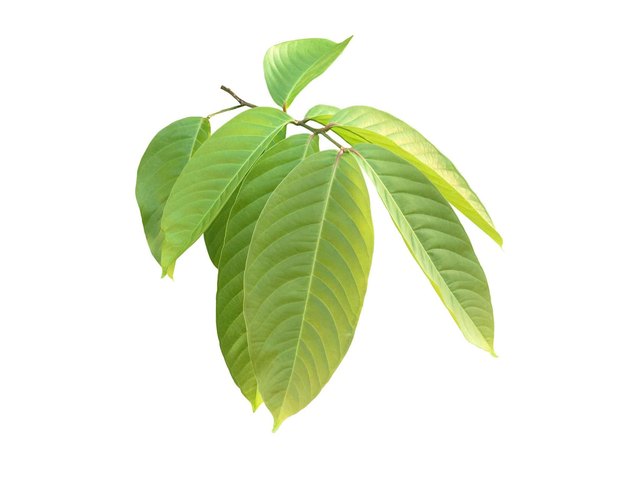
Banaba leaf extract (Lagerstroemia speciosa L.)
The lead ingredient, standardised for Corosolic acid. It may help inhibit the rise in blood glucose after meals, acting on glucose metabolism through three complementary routes.
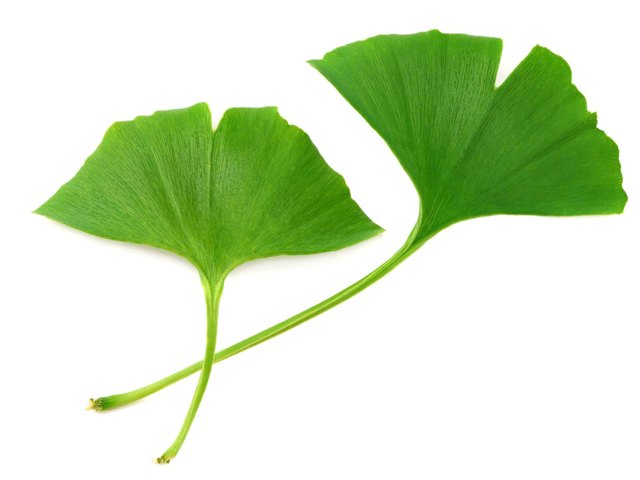
Ginkgo Biloba leaf extract
A strong antioxidant that supports the Nrf2/HO-1 pathway and helps protect small blood vessels; it does not lower blood glucose directly. Standardised EGb 761 extract typically contains around 24% flavonol glycosides and 6% terpene lactones.
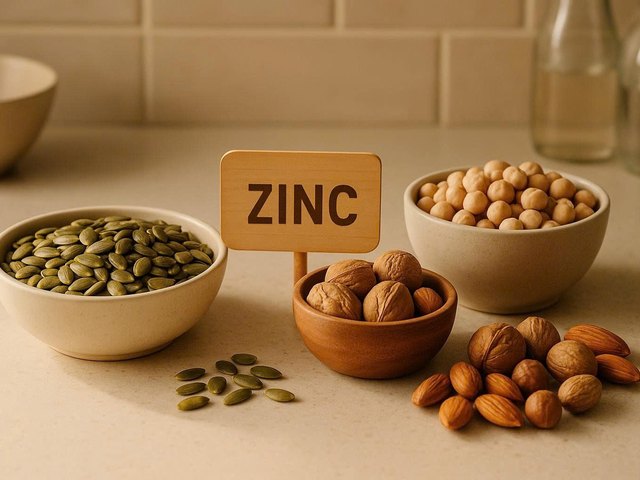
Zinc
Needed for the synthesis, storage and secretion of insulin by the pancreatic beta cells. It also contributes to antioxidant defence, normal immune function and wound healing.
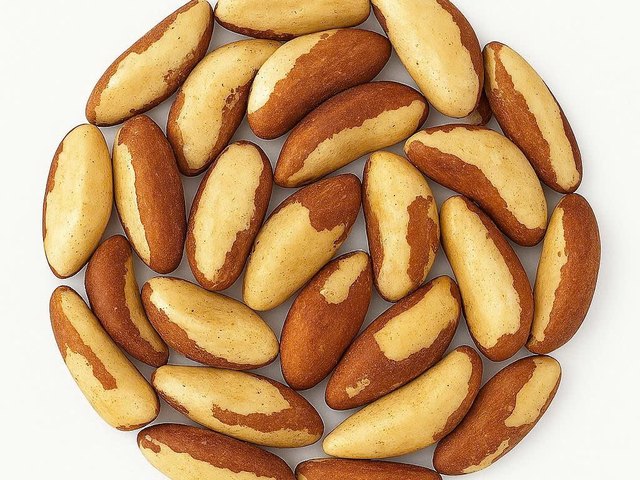
Selenium
A component of the antioxidant enzyme glutathione peroxidase (GPx), which helps protect cells from oxidative stress. It works in concert with the antioxidant action of Ginkgo Biloba.
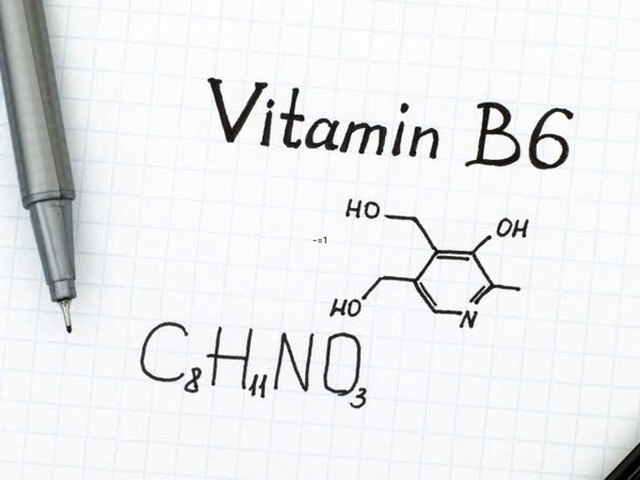
Vitamin B6
Involved in red blood cell formation, energy metabolism and mood regulation. It also supports the synthesis of neurotransmitters.
What the human studies actually found
Sample sizes, doses, durations and outcomes are quoted exactly as published — nothing rounded up, nothing dressed up.
💡 Key takeaways
- Banaba's effect on post-meal glucose has been observed at a dose as low as 1 mg of Corosolic acid per day, in a randomised, double-blind, placebo-controlled crossover trial.
- Ginkgo Biloba was studied as an addition to standard medication, and the benefits reported were antioxidant, metabolic and vascular — not a direct glucose-lowering action of its own.
- These are small, early-stage human studies. This product is a health functional food with a supporting role: it does not treat or cure disease, and it does not replace the medication your doctor has prescribed.
Where Ginkgo Biloba points — and how strong the evidence is
Each direction is stated at the level of evidence that actually stands behind it. None of it is a treatment claim.
Kidneys
In laboratory and animal research, Ginkgo Biloba has shown protective effects through the inhibition of NLRP3-driven inflammation, increased Nrf2/HO-1 activity and reduced kidney fibrosis. This evidence is PRECLINICAL and has not been confirmed in human trials.
Peripheral nerves
There is suggestive data that Ginkgo Biloba may help support the reduction of nerve damage in people living with diabetes. The signal is encouraging rather than conclusive.
Eyes and retina
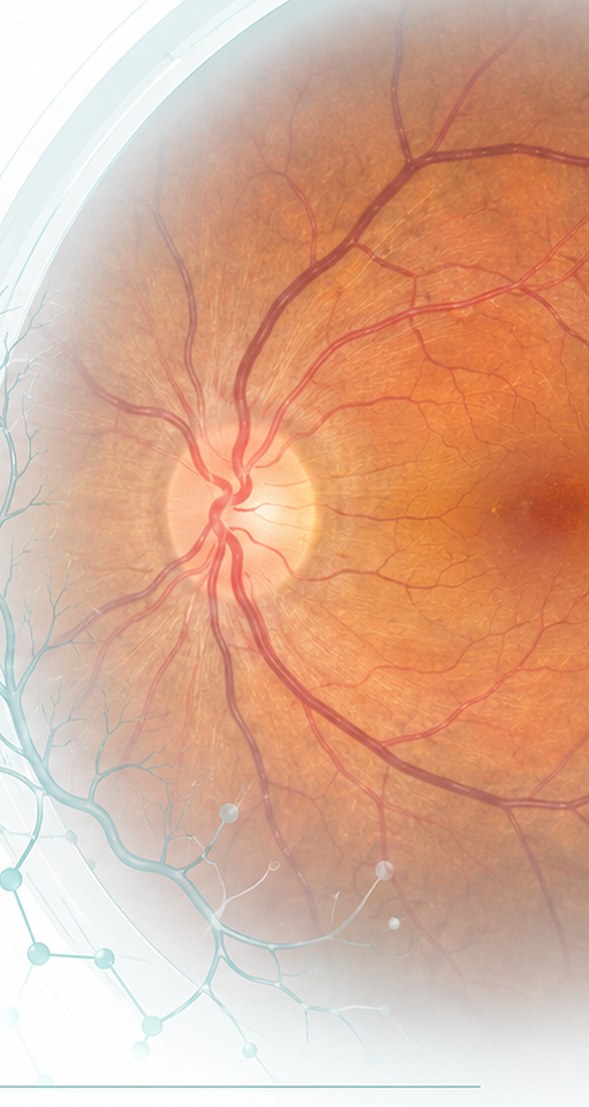
Ginkgo Biloba has been reported to improve blood flow in the retinal capillaries, which supports the protection of the delicate microcirculation at the back of the eye.
Heart and blood vessels
By supporting circulation, Ginkgo Biloba is linked with a favourable direction for large-vessel complication risk. In a study by Kudolo, EGb 761 at 120 mg per day for three months (n=12) reduced platelet activation measured as TXB2 (p < 0.05).
Documented, tested, verified
Everything this page says about how the product is made and what is in it is backed by an official document we hold on file.
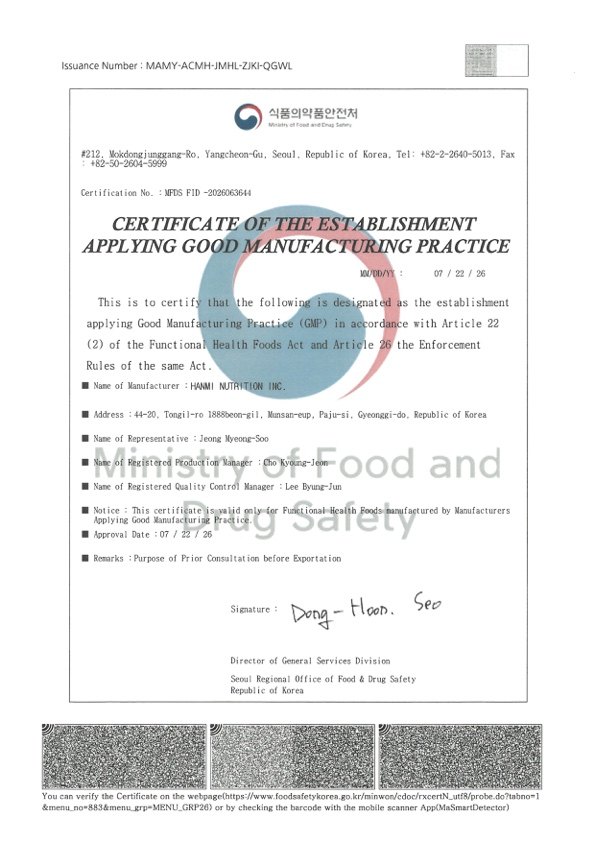 GMP — Korea Ministry of Food and Drug Safety (MFDS), No. MFDS FID-2026063644, issued 22 July 2026.
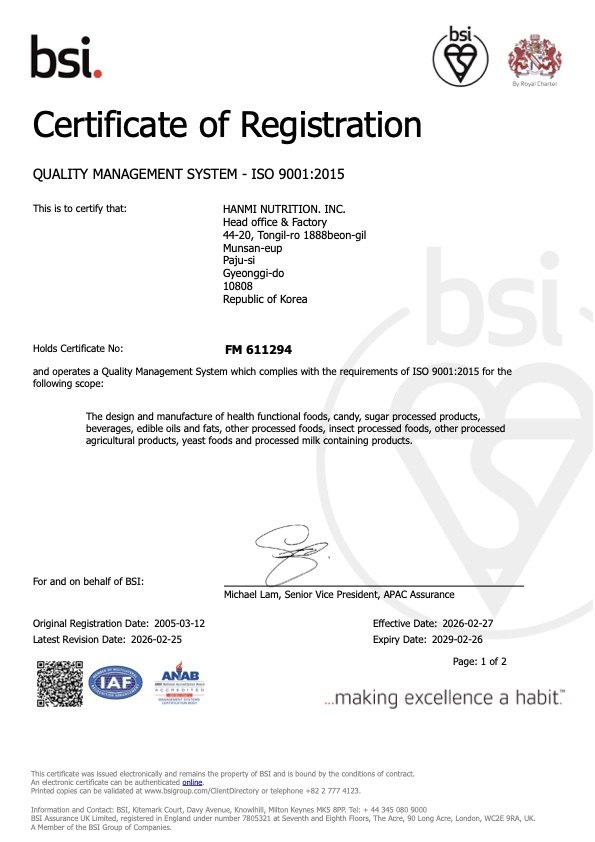 ISO 9001:2015 — issued by BSI, certificate No. FM 611294, valid from 27 February 2026 to 26 February 2029.
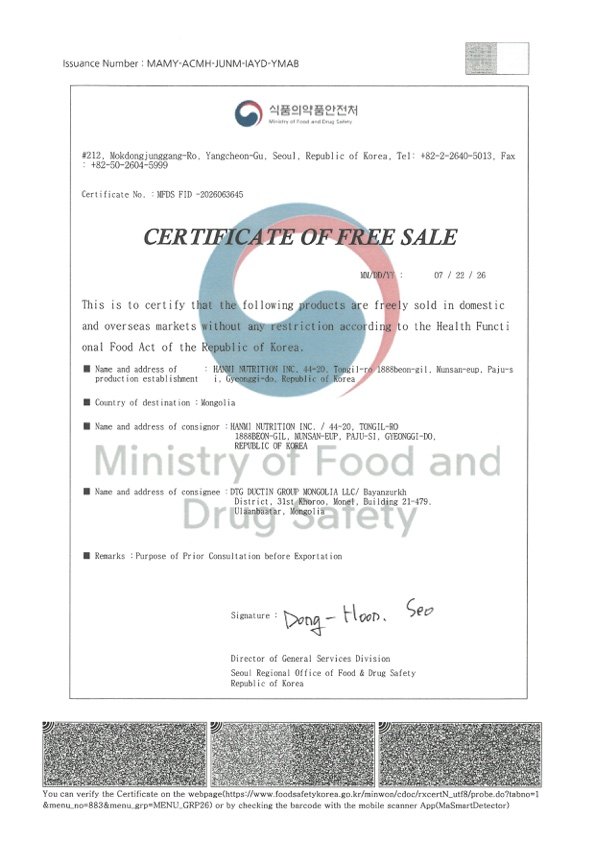 Certificate of Free Sale — MFDS, No. MFDS FID-2026063645, target market Mongolia.
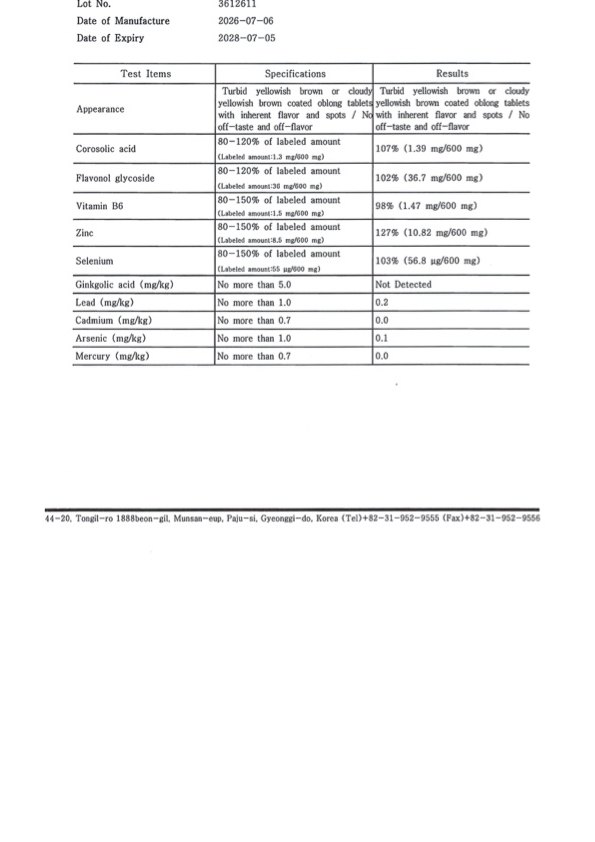 Certificate of Analysis — batch 3612611, manufactured 06 July 2026, best before 05 July 2028: Corosolic acid 107% (1.39 mg/600 mg), flavonol glycosides 102% (36.7 mg/600 mg), vitamin B6 98% (1.47 mg/600 mg), zinc 127% (10.82 mg/600 mg), selenium 103% (56.8 mcg/600 mg); ginkgolic acid not detected; lead, cadmium, arsenic and mercury all within limits.
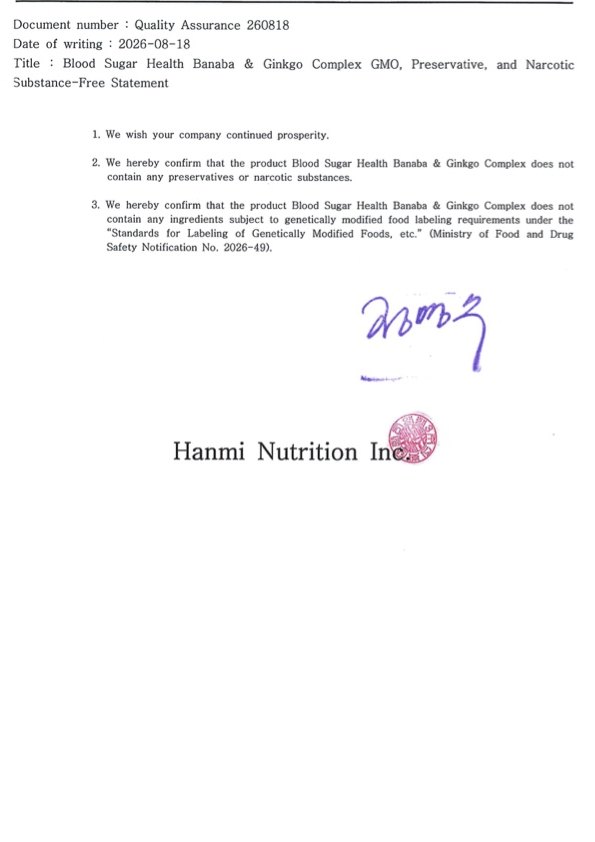 Quality assurance — no GMO, no preservatives and no addictive substances; verified plant and mineral sources (Ginkgo biloba L., Lagerstroemia speciosa (L.) Pers., zinc oxide); produced in a GMP-certified facility.
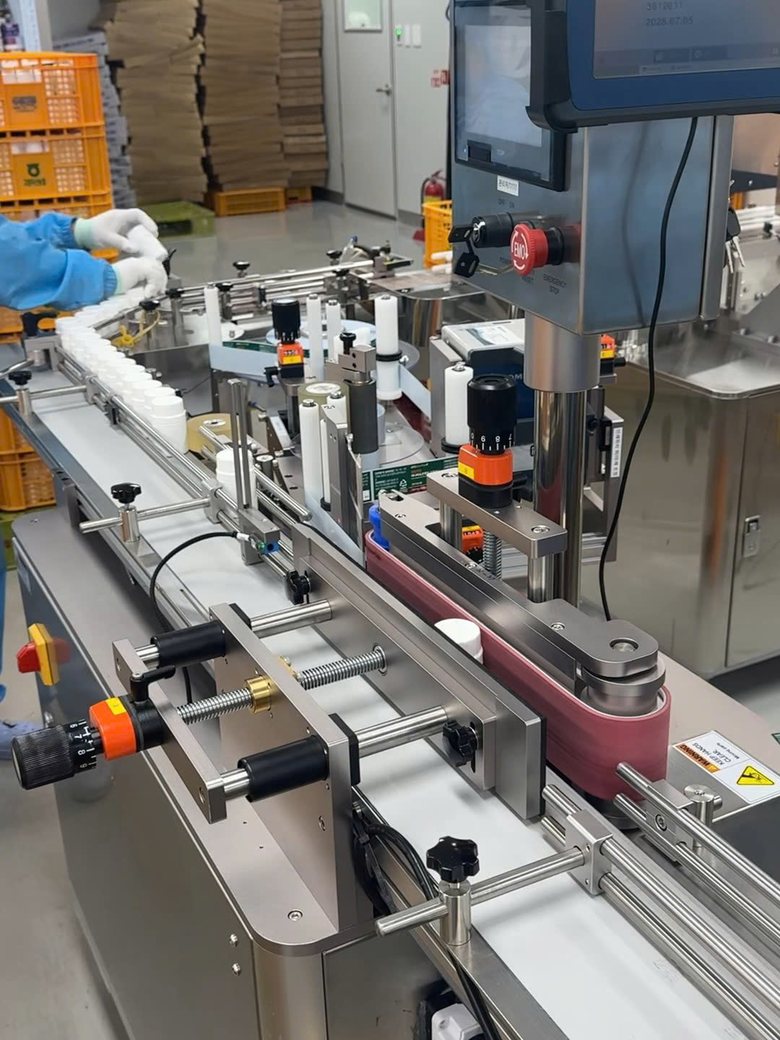
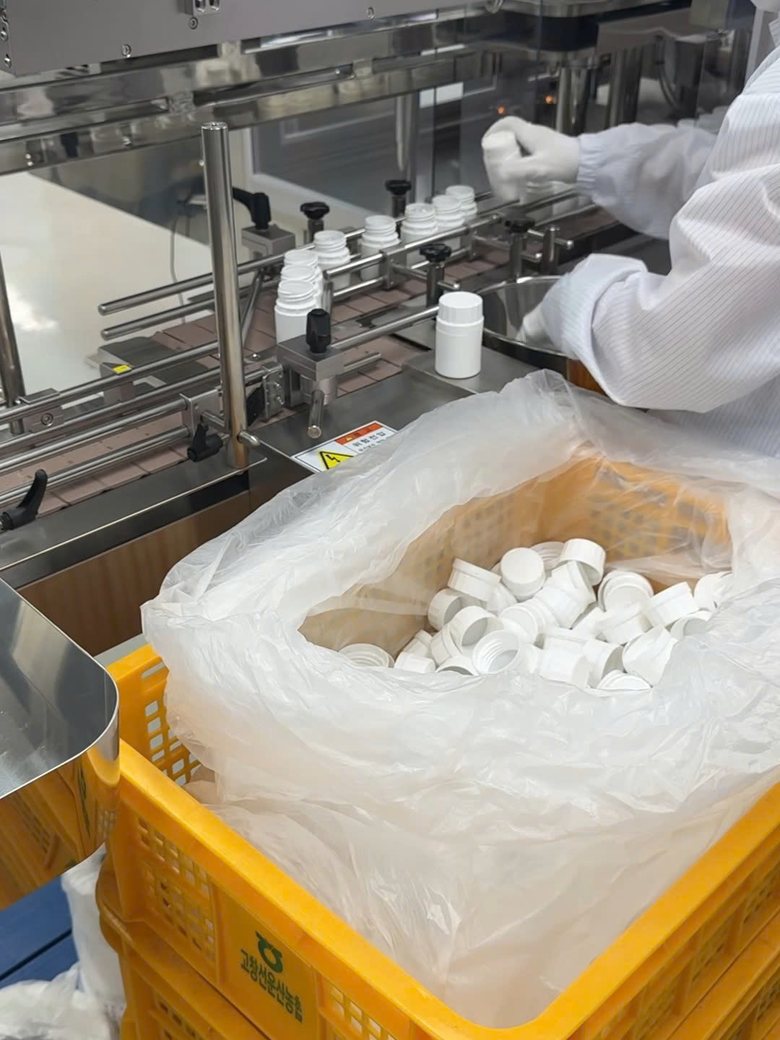
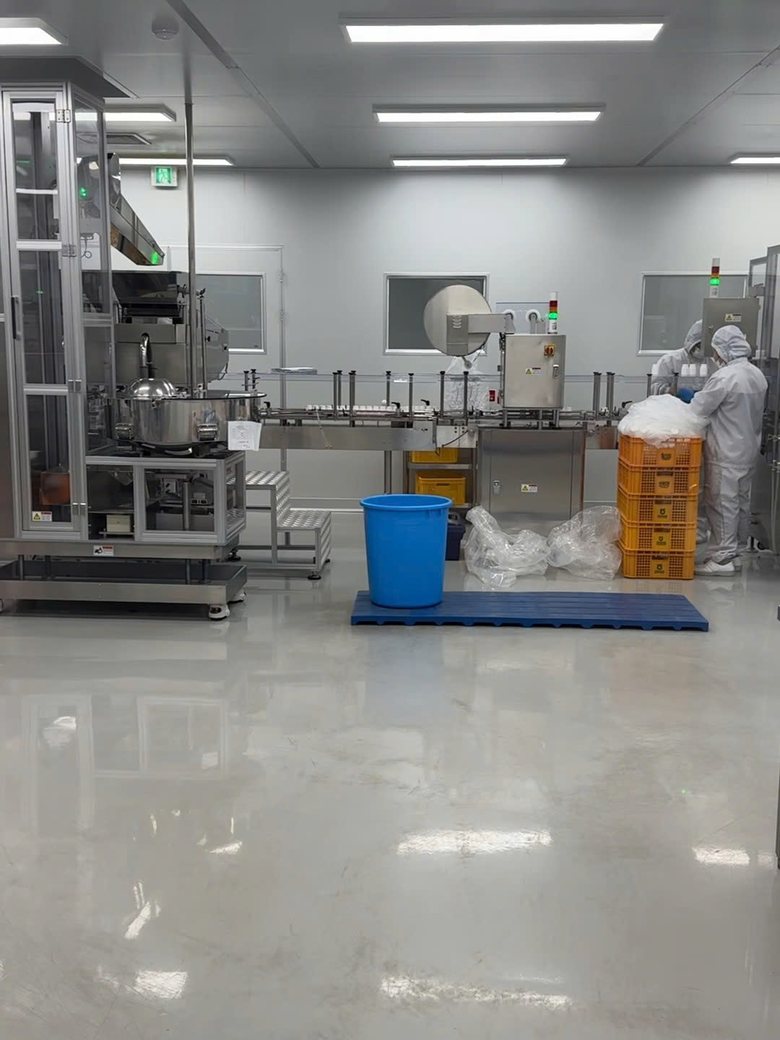
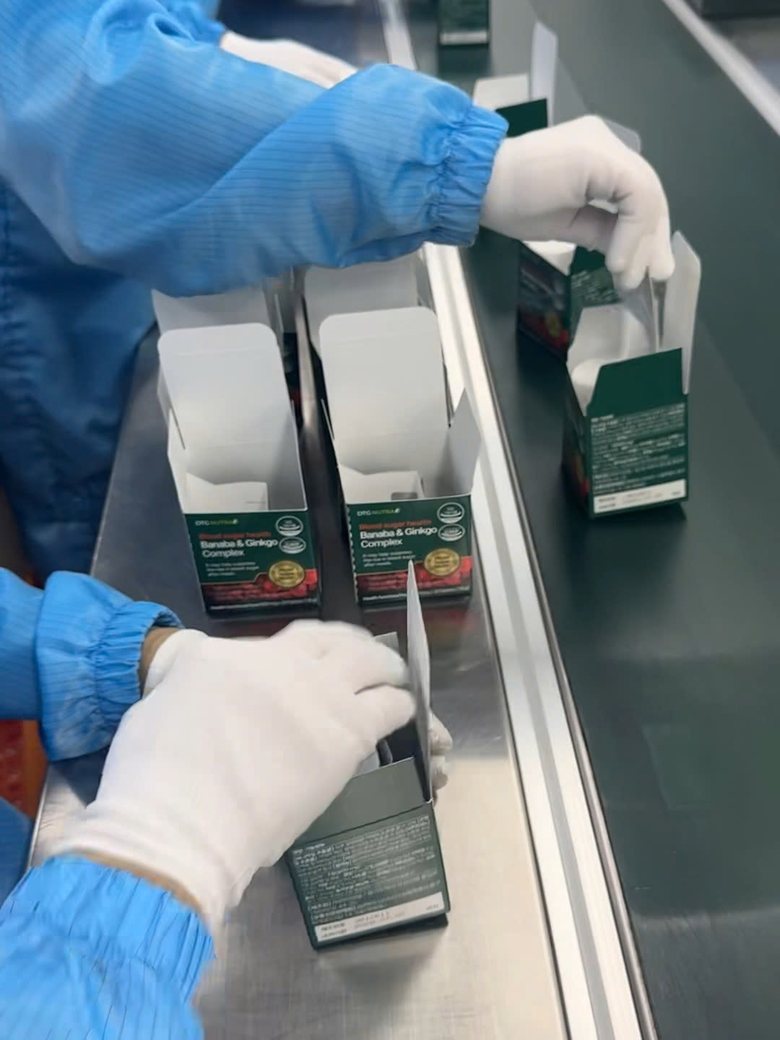
Made in Korea by HANMI NUTRITION INC.
Every bottle is produced in a Korean facility certified for GMP by the MFDS and for ISO 9001:2015 by BSI.
💊 How to take it and how to store it
- Take 1 tablet once a day with plenty of water.
- Take it consistently, at around the same time each day, so it settles into your daily routine.
- Store in a cool, dry place, away from direct sunlight.
⚠️ Important safety information
- This product is a health functional food intended to help support steadier blood sugar after meals and long-term wellbeing. It is not a medicine, it does not treat or cure disease, and it does not replace the medication your doctor has prescribed.
- Ginkgo Biloba can alter platelet function. If you take aspirin or anticoagulant medication, or you are preparing for surgery, speak with your doctor before using this product.
- Banaba may help lower blood glucose. If you already take glucose-lowering medication, monitor your blood sugar and consult your doctor, so that it does not fall too low.
- Women who are pregnant or breastfeeding, and children, should consult a healthcare professional before use.