
Three Ways Corosolic Acid Works
Banaba's corosolic acid acts on glucose transport, carbohydrate digestion and liver glucose production, while Ginkgo biloba contributes antioxidant and microcirculation support rather than lowering blood sugar directly.
Corosolic acid: three actions in one
Banaba does not work through a single route, but through three that meet at the same point.
Opening the door of the cell
Corosolic acid supports GLUT4 transport, helping move glucose out of the bloodstream and into muscle and other cells, which contributes to better insulin sensitivity.
Slowing how fast sugar enters the blood
It helps inhibit alpha-glucosidase and alpha-amylase (sucrase), slowing the breakdown of starch in the gut. The result is a gentler peak in blood glucose after a meal.
Easing the sugar the body makes
It helps reduce gluconeogenesis, the production of new glucose in the liver, while supporting glycolysis, the breakdown of glucose for energy.
Because these three actions work at the same time, the support covers where glucose comes from, how quickly it arrives and how well it is taken up.
Where Ginkgo Biloba points — and how strong the evidence is
Each direction is stated at the level of evidence that actually stands behind it. None of it is a treatment claim.
Kidneys
In laboratory and animal research, Ginkgo Biloba has shown protective effects through the inhibition of NLRP3-driven inflammation, increased Nrf2/HO-1 activity and reduced kidney fibrosis. This evidence is PRECLINICAL and has not been confirmed in human trials.
Peripheral nerves
There is suggestive data that Ginkgo Biloba may help support the reduction of nerve damage in people living with diabetes. The signal is encouraging rather than conclusive.
Eyes and retina
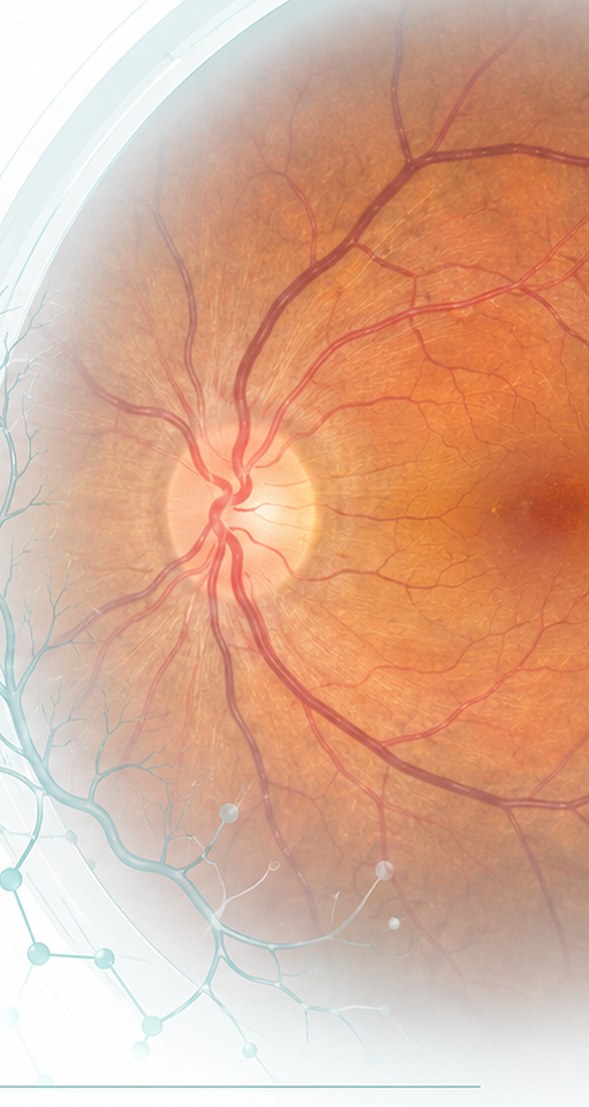
Ginkgo Biloba has been reported to improve blood flow in the retinal capillaries, which supports the protection of the delicate microcirculation at the back of the eye.
Heart and blood vessels
By supporting circulation, Ginkgo Biloba is linked with a favourable direction for large-vessel complication risk. In a study by Kudolo, EGb 761 at 120 mg per day for three months (n=12) reduced platelet activation measured as TXB2 (p < 0.05).
Explore more
A Four-Layer Blood Sugar Formula
Each 600 mg tablet provides 1.3 mg corosolic acid from Banaba, 36 mg Ginkgo biloba, 8.5 mg zinc, 55 mcg selenium and 1.5 mg vitamin B6, plus six traditional botanicals.
View details →Five Human Studies at a Glance
Judy 2003, Fukushima and Miura 2012, Lopez-Murillo 2022, Hibi 2022 and Hussain 2022: five published trials summarized with participant numbers, dosage, duration and measured outcomes.
View details →Documents You Can Check
Five original documents cover the manufacturing standard, quality management system, export clearance and batch-level laboratory testing behind this Banaba and Ginkgo complex.
View details →Inside the Korean Production Line
Real photographs of blending, tableting, packaging and quality control at HANMI NUTRITION INC. in Paju-si, Gyeonggi-do, the Korean GMP facility behind every box of 30 tablets.
View details →Daily Use and Safety Notes
Take one tablet a day with water, keep the box dry and out of direct sunlight, and read every caution first, especially if you take prescribed medicine or anticoagulants.
View details →